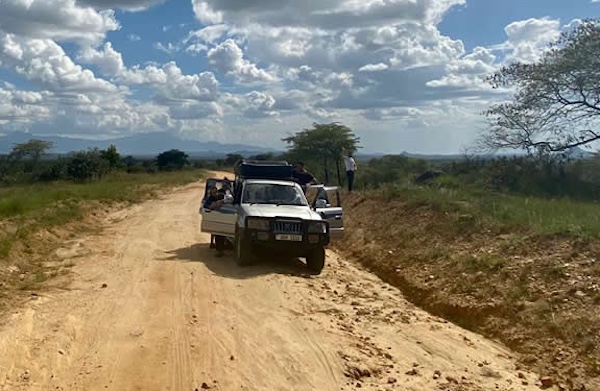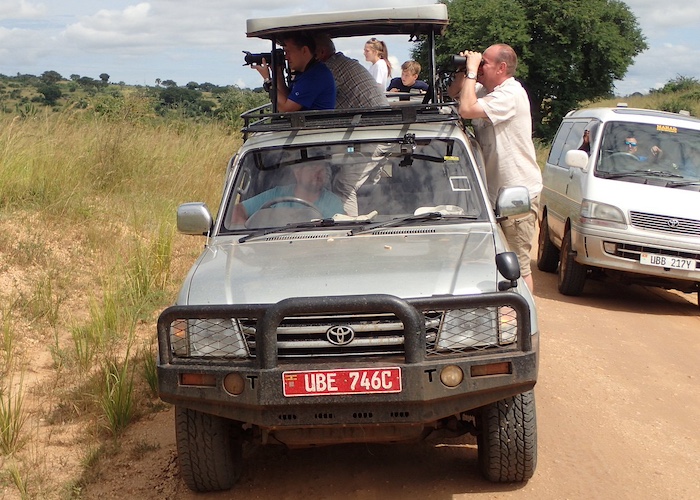

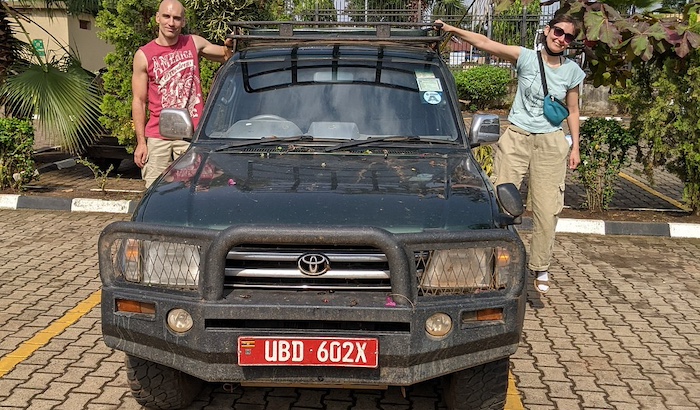
Exploring Uganda on your own behind the wheel has become increasingly popular among international travelers. Many visitors now prefer the freedom and flexibility of Uganda self-drive safaris, allowing them to travel at their own pace while discovering the country’s diverse landscapes, wildlife, and cultural attractions. Driving yourself through Uganda can be a rewarding experience, especially for tourists who enjoy adventure and independence during their journey.
Uganda is generally considered a safe destination for travelers, and many visitors drive across the country from the southern regions to the north without encountering security-related problems. Government security agencies maintain stability across the country, and most tourism routes are regularly used by travelers and tour operators.
However, like in many destinations around the world, the main risk for visitors driving on their own is road accidents. Most accidents are caused by human error or careless driving habits, which means tourists should take extra precautions while navigating unfamiliar roads. Being attentive and following road rules is essential for a safe and enjoyable self-drive safari.
Many tourists who rent cars in Uganda come from countries with different driving conditions and traffic patterns. Because of this, adjusting to local road situations may take time. Roads may sometimes be narrow, have potholes, or include pedestrians, livestock, and motorcycles sharing the same space. Understanding these conditions and driving carefully will help visitors avoid unnecessary trouble during their trip.
Road accidents can lead to serious consequences such as injuries, vehicle damage, or legal issues. In some cases, a driver found responsible for an accident may need to cover repair costs for the vehicle or other damages. Such situations can disrupt a safari experience that should otherwise be enjoyable and memorable.
For this reason, tourists planning a self-drive safari in Uganda are encouraged to follow several important safety practices while traveling across the country.
Respect the Speed Limits
Driving at the appropriate speed is one of the most important safety measures when traveling in Uganda. According to road safety reports, excessive speed is responsible for a large percentage of accidents in the country. Many roads pass through small towns, villages, and areas where people and animals frequently cross the road.
On highways, the recommended speed limit is generally around 80 kilometers per hour. When driving through towns, trading centers, or residential areas, the speed limit is usually about 40 kilometers per hour. The same speed applies inside most national parks where wildlife may cross the road unexpectedly. Always pay attention to road signs because the speed limits displayed may vary depending on the location or traffic conditions.
Avoid Driving Under the Influence
Tourists should never drive after consuming alcohol or drugs. These substances can affect concentration, judgment, and reaction time, which greatly increases the risk of accidents. Driving under the influence is also illegal in Uganda and can lead to serious penalties. If you plan to enjoy a drink during your trip, it is always safer to wait until you have finished driving for the day.
Keep Your Focus on the Road
Using a mobile phone while driving can easily distract your attention from the road. Even a short moment of distraction may result in a dangerous situation, especially on unfamiliar roads. Tourists should avoid texting, calling, or checking maps on their phones while the vehicle is moving. If you need to make a call or check directions, it is best to stop the car in a safe place first.
Stay Within the Main Road Lane
Many roads in Uganda do not have clear markings separating pedestrian areas, bicycle lanes, or motorcycle paths. People, animals, and motorcyclists often move along the sides of the road. Driving too close to the road edges can therefore put them at risk and may lead to accidents. It is safer to remain within the main lane and stay alert for anyone approaching from the roadside.
Pay Attention to Road Signs
Road signs play an important role in guiding drivers along Uganda’s highways and rural roads. Fortunately, these signs follow international standards and are written in English, making them easy for tourists to understand. Signs provide important information such as speed limits, upcoming bends, pedestrian crossings, and other warnings. Following these instructions helps drivers avoid unnecessary risks while traveling.
Maintain a Safe Distance from Other Vehicles
Keeping enough space between your vehicle and the one ahead is another important safety practice. Drivers in Uganda sometimes brake suddenly to avoid potholes or obstacles on the road, and not all vehicles use indicators consistently when turning. Maintaining at least a five-meter distance allows you enough time to react to unexpected movements by other road users.
This is particularly important in busy areas such as Kampala, where traffic congestion is common and vehicles may stop abruptly. Reducing your speed when approaching other cars can help prevent collisions.
Travel During Daylight Hours
Most car rental companies advise tourists to drive between 6:00 am and 7:00 pm. Daytime travel is safer because visibility is better and drivers are generally more alert. At night, some roads may be poorly lit, and it becomes more difficult to see potholes, pedestrians, animals, or bicycles without proper lighting.
Certain vehicles on rural roads may also have weak headlights, which can make nighttime driving more challenging. For these reasons, it is best to complete long journeys during daylight hours whenever possible.
If you must stop at night, avoid isolated areas where there may be potential safety risks. Instead, park at hotels, lodges, or well-lit locations.
Enjoy the Experience but Stay Cautious
Despite occasional challenges on the road, Uganda remains one of the safest and most accessible destinations in Africa for a self-drive safari. The road network connects many of the country’s major attractions, and signposts usually guide visitors toward key tourism destinations.
Driving through the country also gives travelers a unique opportunity to experience Uganda’s natural beauty and wildlife at their own pace. Visitors can travel through scenic landscapes, pass rural villages, and even encounter animals in protected areas such as Murchison Falls National Park, Queen Elizabeth National Park, or Bwindi Impenetrable National Park.
Consider Hiring a Ranger Guide in National Parks
While self-driving is allowed in many Uganda national parks, it is often helpful to hire a ranger guide once you arrive at the park headquarters. Rangers know the park roads very well and can guide you to areas where wildlife has recently been seen.
Road signs inside the parks are sometimes limited, which can make navigation difficult for first-time visitors. A ranger can help ensure that you make the most of your game drive while also improving your chances of spotting animals. The fee for hiring a ranger guide is usually around 20 USD, and visitors often choose to offer a tip as appreciation for their assistance.
Conclusion
A self-drive safari in Uganda offers tourists the freedom to explore the country in a personal and adventurous way. By following basic road safety rules, staying attentive, and planning journeys carefully, travelers can enjoy a smooth and memorable experience.
With the right preparation, driving through Uganda’s landscapes becomes not only safe but also one of the most exciting ways to discover the country’s wildlife, national parks, and vibrant culture.